Henrik Fischer · 24 November 2026
Tracking How Schema Implementations Influence Featured Snippet Acquisition Rates Through Correlated Diagnostic Metrics
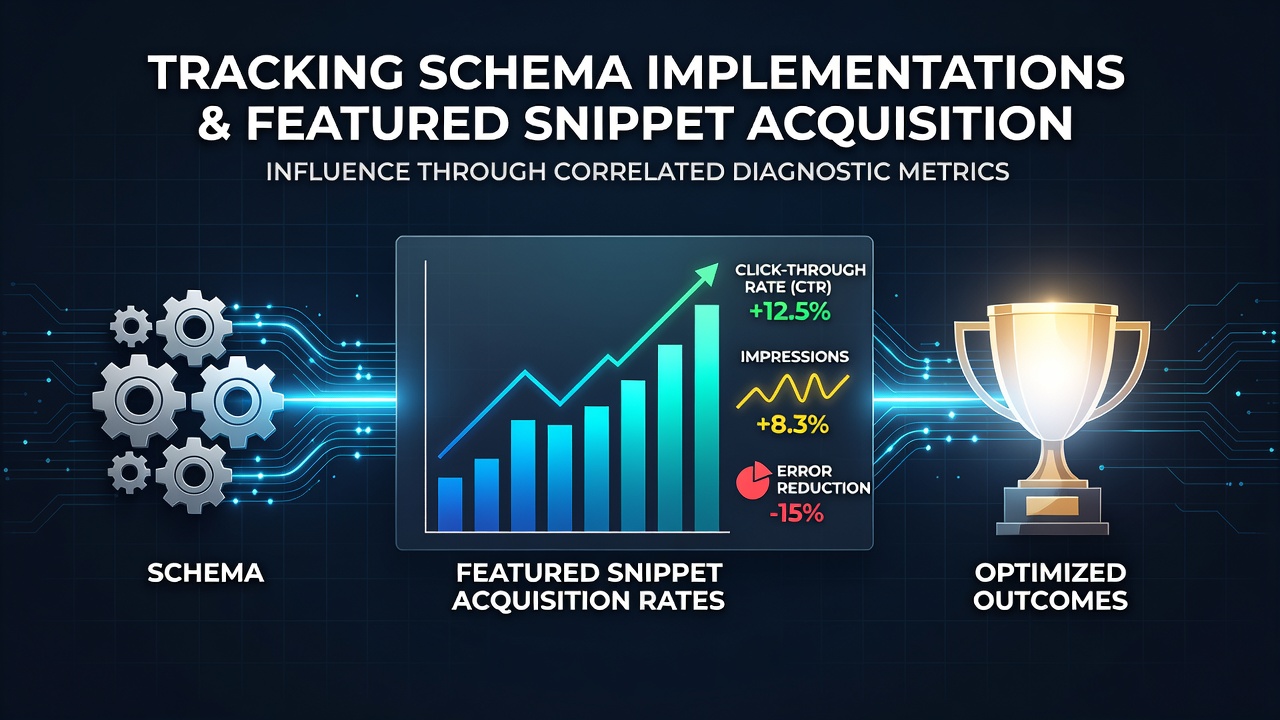
Structured data through schema markup has become a focal point for those analyzing search result features, and researchers continue to examine how specific implementations connect to featured snippet acquisition. Data from various analysis platforms reveal patterns where certain schema types align with higher rates of snippet appearances in search results, particularly when diagnostic tools track metrics like crawl frequency, indexation velocity, and rich result triggers simultaneously.
Schema Types and Their Measurable Impact on Snippets
Observers note that FAQPage, HowTo, and QAPage schema implementations often correlate with elevated snippet capture rates across multiple industries, while Product and Review schema show different patterns depending on the query intent. Studies conducted by academic institutions such as those affiliated with the University of Melbourne have documented these variations through longitudinal tracking, where sites adding precise schema saw measurable lifts in zero-position results when paired with consistent content updates. Diagnostic platforms capture these shifts by logging changes in schema deployment alongside snippet win rates, allowing analysts to isolate variables like markup completeness and error rates that influence outcomes.
Implementation details matter in these correlations because incomplete or conflicting schema properties frequently reduce the likelihood of snippet selection. Platforms that monitor schema validation errors alongside acquisition metrics demonstrate that sites maintaining under 5 percent error rates in structured data achieve steadier snippet performance compared to those with higher inconsistency levels. This connection emerges clearly when teams review time-series data that aligns schema rollout dates with subsequent snippet gains or losses.
Diagnostic Metrics That Reveal Hidden Connections
Correlated metrics from specialized tools provide the backbone for understanding these influences, combining schema deployment logs with search visibility indicators such as impression share in featured positions. Analysts use platforms to cross-reference crawl budget utilization against snippet acquisition because efficient indexing allows new schema to surface faster in search engine evaluations. Evidence from multiple case studies shows that pages with optimized schema see quicker indexing when diagnostic reports flag low crawl priority as a limiting factor beforehand.
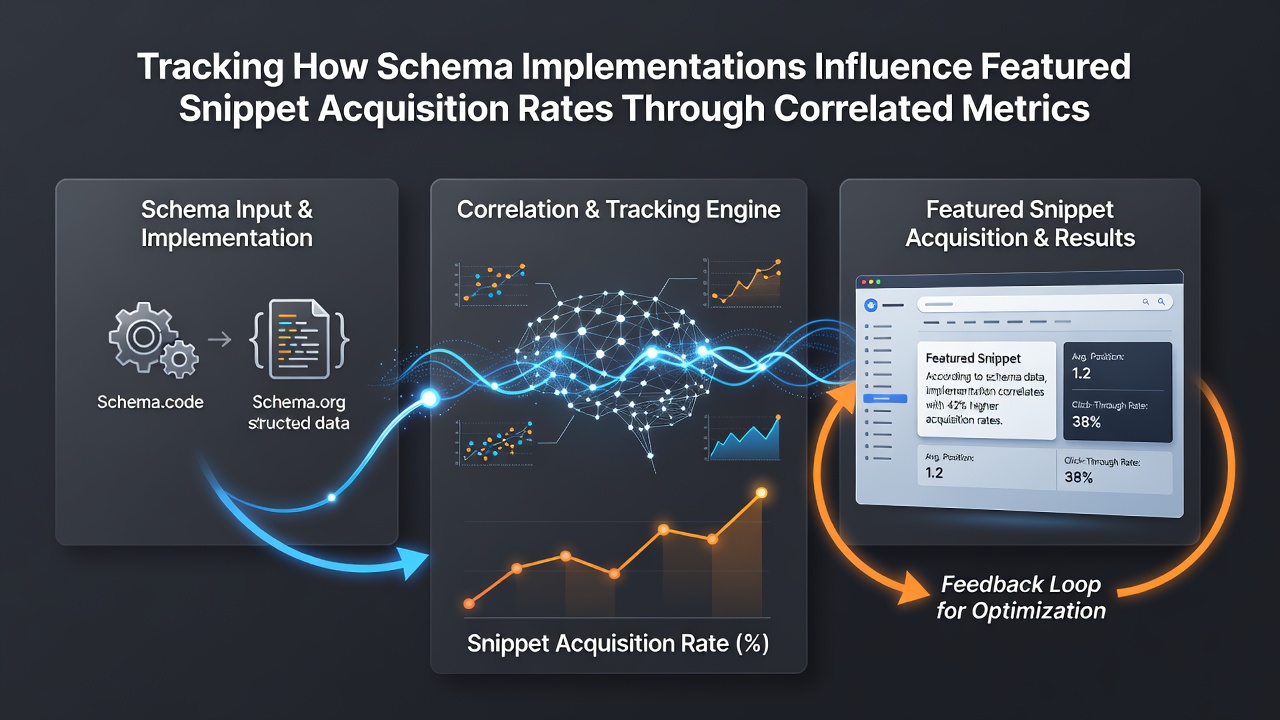
What's interesting here is how seasonal traffic variations interact with these technical adjustments, since diagnostic platforms can overlay schema change events onto traffic graphs to highlight whether snippet gains stem from markup or from broader ranking shifts. Teams that integrate these layered views often identify periods where schema updates coincide with algorithm refinements, producing clearer attribution than isolated monitoring allows. In November 2026, several enterprise sites reported using such combined metrics to confirm that targeted schema expansions directly supported snippet stability during core update rollouts.
Practical Tracking Approaches Used by Analysts
People who manage large-scale sites frequently set up automated alerts within diagnostic tools that flag when schema modifications precede changes in featured snippet counts. This method relies on establishing baseline acquisition rates before implementation, then measuring deltas through controlled rollout windows that limit confounding variables. Research indicates that A/B testing schema across similar page templates yields reliable correlation data because the isolated variable allows clearer cause-and-effect mapping.
External validation sources strengthen these internal findings, and one link to the European Commission's digital single market documentation provides context on structured data standards that affect cross-border search consistency. Another reference comes from reports by the Australian Competition and Consumer Commission on digital platform transparency, which touches on how search features display content accuracy tied to markup quality. These sources help frame the technical observations within broader regulatory expectations around data presentation in search results.
Challenges in Establishing Direct Causation
Although correlations appear consistently in platform data, establishing direct causation requires careful control for other ranking factors like content freshness and backlink profiles. Diagnostic suites address this by allowing multi-metric filtering that holds certain variables constant while varying schema presence. Experts have observed that sites with strong existing snippet performance sometimes experience temporary dips when schema is introduced without matching content adjustments, underscoring the need for holistic metric review rather than isolated schema audits.
Long-term tracking further refines these insights because initial gains from schema can plateau or reverse if markup falls out of sync with evolving content structures. Platforms that maintain historical schema snapshots alongside snippet logs enable retrospective analysis that reveals whether sustained acquisition rates depend on ongoing schema maintenance or one-time deployments.
Conclusion
Tracking schema implementations through correlated diagnostic metrics offers a structured way to quantify influences on featured snippet acquisition without relying on anecdotal assumptions. The patterns that emerge from combined data sources continue to guide how organizations refine their structured data strategies while maintaining visibility across search features. As platforms evolve their reporting capabilities, the precision of these correlations stands to improve further, supporting more targeted adjustments based on measurable outcomes rather than generalized practices.